


-

Add: HeBei ShengShi HongBang Cellulose Technology CO.,LTD.
-

Email
13180486930@163.com -

CONTACT US
+86 13180486930

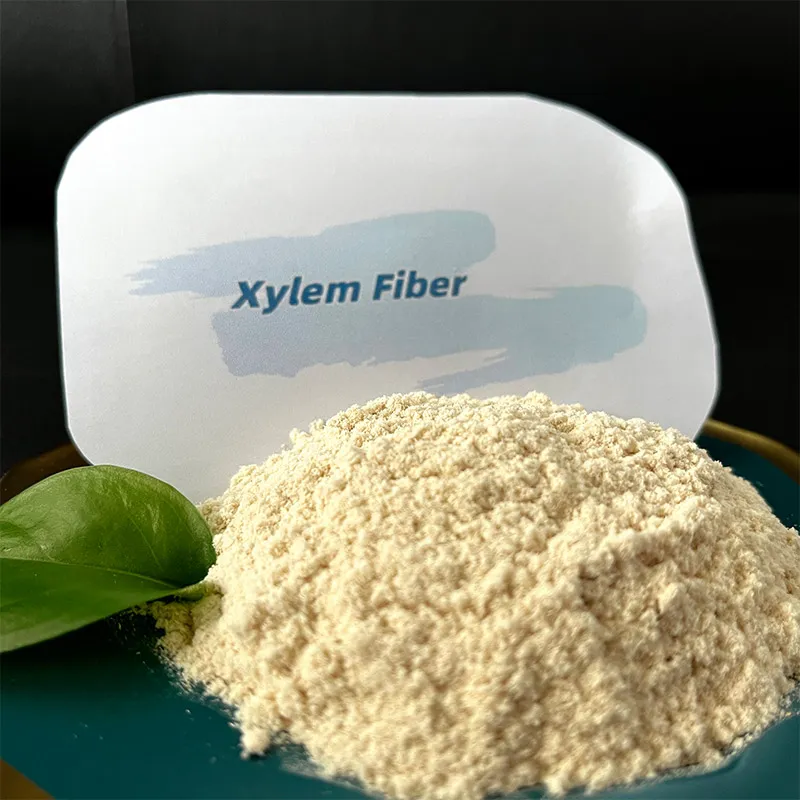

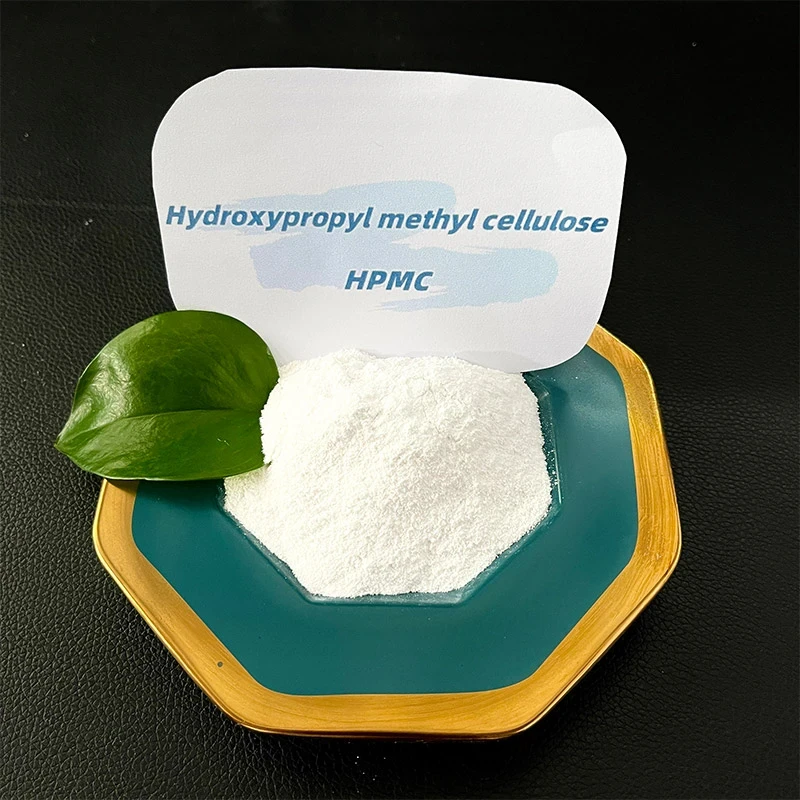
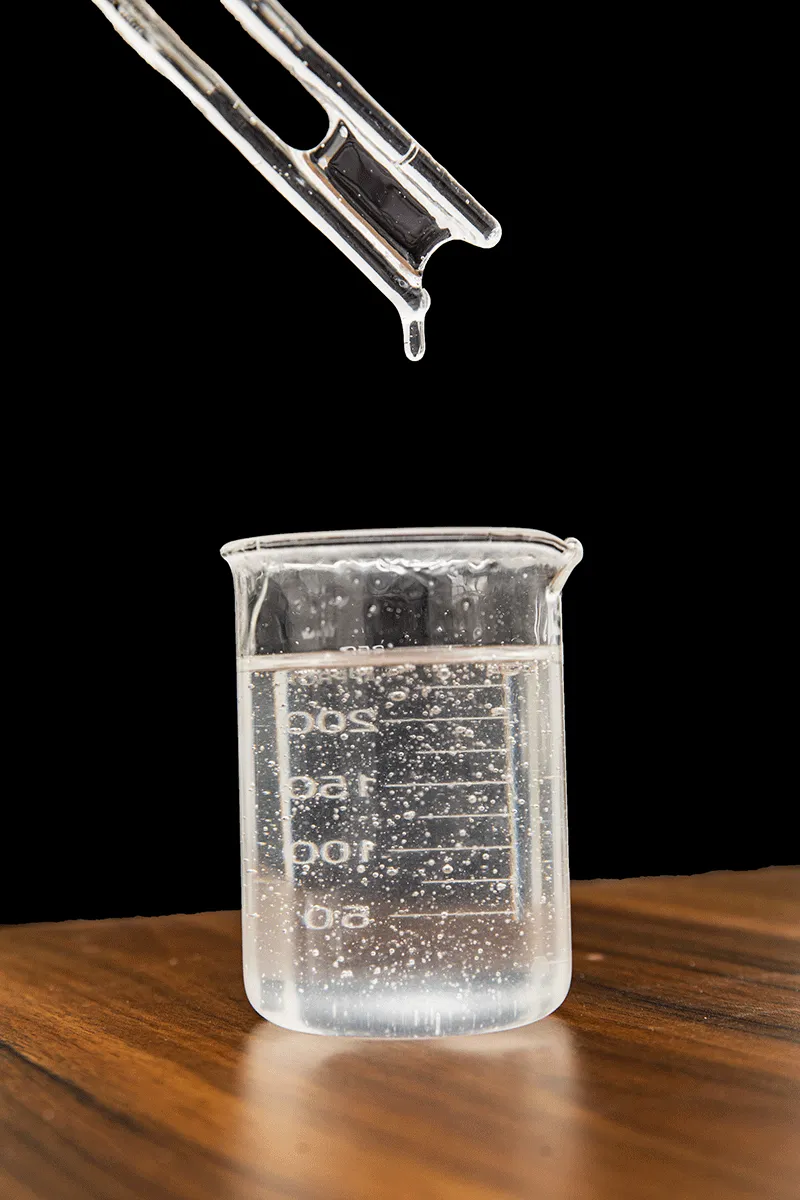


The increasing prevalence of digital device usage and environmental pollutants has led to a rise in eye discomfort, ushering a demand for innovative solutions in ocular health. One such solution garnering attention is the incorporation of Hydroxypropyl Methylcellulose (HPMC) in eye drops . Understanding the experience, expertise, authoritativeness, and trustworthiness associated with HPMC can offer insightful perspectives for consumers and professionals alike. HPMC, a semi-synthetic polymer, plays a crucial role in ocular therapy due to its lubricating and protective properties. It has become a cornerstone in combating symptoms of dry eyes, offering relief from irritation and enhancing comfort. Its efficacy is not based solely on its chemical composition; rather, the real-world experience of users is a testament to its benefits. Regular users report noticeable improvements in moisture retention and a significant reduction in dryness-related discomfort. This positive feedback loop not only establishes trust but also reinforces the credibility of HPMC as a reliable component in eye care products. The expertise surrounding HPMC is supported by a wealth of scientific research and clinical studies. Ophthalmologists and researchers have extensively explored the interaction between HPMC and ocular surfaces. The biocompatibility of HPMC allows it to mimic natural tear film, fostering a moist environment that is conducive to healing and comfort. Clinical trials have demonstrated that patients using HPMC-based eye drops exhibit improved tear stability, a crucial factor in alleviating dry eye symptoms. Such findings heighten professional confidence in prescribing HPMC-infused eye drops, thereby positioning them as a first-line defense in dry eye management. Authoritativeness in the context of HPMC is reflected in endorsements from major health organizations and ophthalmic associations. These endorsements are not arbitrary; they stem from rigorous evaluations and assessments of safety and effectiveness. Healthcare authorities recognize HPMC as a credible and beneficial agent in the formulation of artificial tears. This recognition provides consumers with assurance about the quality and safety of HPMC-based products, ensuring that users are making informed decisions about their ocular health. hpmc in eye drops Trustworthiness is perhaps the most critical component when considering any health-related product. Users of HPMC in eye drops consistently emphasize the consistent quality and safe usage of the product. The trust is further cemented by transparent manufacturing processes and adherence to stringent regulatory guidelines. Manufacturers prioritize safety, ensuring that HPMC eye drops are free from harmful additives and are produced under sterile conditions to prevent contamination. This dedication to safety enhances consumer confidence and loyalty, underpinning the long-term success and acceptance of HPMC in the market. Moreover, the user-centric approach adopted by many HPMC-based eye drop manufacturers contributes to their trustworthiness. Offering access to customer service and incorporating feedback for continuous improvement exemplifies commitment to consumer well-being. When users feel heard and see their feedback reflected in product enhancements, the relationship between consumer and brand becomes symbiotic, driving a cycle of trust and broader adoption. In summary, HPMC in eye drops epitomizes the intersection of experience, expertise, authoritativeness, and trustworthiness. It provides a scientifically backed, user-approved solution to the pervasive issue of dry eyes. Consumers can rely on the safety and efficacy of these products, professionals can confidently recommend them, and authoritative bodies can continue to advocate for their use. By delivering on its promises of relief and comfort, HPMC remains a significant player in the ever-evolving landscape of eye care solutions, ensuring its presence on digital platforms is not only necessary but pivotal for individuals seeking to enhance their ocular health.
- 40000tons

Production
- 20+years

Experience
- 5000+㎡

Acreage

-

Redispersible emulsion powder (RDP), including redispersible latex powder , polymer powder , VAE redispersible powder , and redispersible powder , is transforming the construction chemical and polymer-modified dry mix industry. This article provides an in-depth overview based on extensive research, industry data, and real-world use cases, helping you choose and apply the ideal **Redispersible powder VAE** ( product link ) for your business scenario. Redispersible emulsion powder for construction applications 1. Industry Overview & Market Trends The global redispersible emulsion powder market is projected to reach USD 3.2 billion by 2028, growing at a CAGR of 5.6% (Source: MarketsandMarkets, 2023). Product demand is driven by the increasing trend toward green construction, polymer-modified mortars, and efficiency in both new construction and renovation. 2024 Demand Hotspots : Asia-Pacific, especially China and India. Primary applications: tile adhesives , self-leveling compounds , EIFS /ETICS wall systems, repair mortars , decorative renders, and water resistance coatings. Leaders: Polyvinyl acetate (VAE) based redispersible emulsion powders dominate due to superior adhesion, flexibility, water resistance, and workability . 2. Technical Parameters & Data Comparison 2.1. Parameter Table: Redispersible Emulsion Powder (RDP/VAE) Comparison Parameter Redispersible Powder VAE Redispersible Latex Powder Polymer Powder (EVA/AE) Appearance White/free-flowing powder White or off-white powder White/light yellow powder Major Chemistry Vinyl Acetate-Ethylene (VAE) Styrene-Acrylic Ethylene-Vinyl Acetate (EVA) Solid Content (%) ≥98 97–99 96–98 Particle Size (μm) 80-150 80–160 80–180 pH Value (20°C in water) 5–8 5–8 6–8 Minimum Film Formation Temp (MFFT, °C) 0–5 3–8 0–8 Redispersibility Excellent Excellent Good Water Resistance Very High Medium Medium to High Flexural Strength (in mortar) ≥7.5 MPa 6–8 MPa 5–7 MPa Recommended Dosage 2–6% by mass 2–5% 3–6% Complies with ISO Yes (ISO 9001/14001) Yes Varies Performance comparison: VAE vs. other polymer powders 2.2. Performance Data Visualization: VAE vs. Other RDP Types 2.3. Key Product: Redispersible powder VAE Technical Specification Sheet Characteristic Specification Chemical Base Vinyl acetate–ethylene (VAE) Appearance White, free-flowing powder Bulk Density (g/l) 350–550 Solid Content (%) ≥98% pH (20°C, 10% aqueous) 5–8 MFFT (°C) 0 Particle Size (μm) 80–150 Film Flexibility High Redispersion Time (s) < 45 Recommended Dosage 1.5–6% (by dry mix mass) ISO/ANSI Certification ISO 14001 / ANSI A118.4 Average Shelf Life ≥24 months (sealed, dry) VAE redispersible powder—enhancing cementitious mortars 3. Manufacturing Process: Redispersible Emulsion Powder The production of redispersible emulsion powder involves highly controlled operations that ensure product consistency, compliance with ISO, ANSI standards, and superior technical performance. Manufacturing Process Flow (VAE-Based) 1. Emulsion Polymerization → Mixing of vinyl acetate, ethylene, & surfactants to form VAE latex emulsion 2. Spray Drying → Emulsion sprayed into hot chamber; water quickly evaporates, powder forms 3. Agglomeration & Collection → Particles agglomerate, then separated/classified by size 4. Anti-caking Treatment → Flow agents (e.g. cellulose ether, silica) added for powder stability 5. Quality Control & Packing → ISO and ANSI standard tests; packed in laminated, moisture-resistant bags [Video: Redispersible powder VAE spray drying - YouTube] Testing & Certification : Each batch passes viscosity, re-dispersibility, and wet abrasion resistance tests according to ISO 14001, EN 12004, ANSI 118.4 , assuring top European/US project compliance. 4. Key Technical Advantages: Redispersible powder VAE Advantage Description Superior Adhesion Significantly improves bond strength of mortars, tile adhesives, patching compounds, especially on low-absorption substrates. Enhanced Flexibility & Crack Resistance Mitigates shrinkage, accommodating substrate movement, excellent in EIFS and repair mortars. Hydrophobicity Reduces water permeability by up to 65%, improving durability in façade/plastering mortars and waterproofing applications. Long-term Durability Withstands carbonation, freeze-thaw, weathering; effective service life often exceeds 20 years in construction. Environmental Compliance Low-VOC, eco-friendly, complies with RoHS, ISO 14001, EU construction chemical standards. Polymer powder greatly improves adhesion strength 5. Manufacturers and Product Comparison Company Product Series VAE Content (%) Certifications Lead Time Typical Applications SSH Chemical RDP-VAE 58/60/70 ≥95% ISO 9001/14001, CE, SGS 5-10 days Mortars, tile adhesives, EIFS, water-proofing Wacker Chemie AG VINNAPAS® Series 90–95% ISO, DIN, LEED 3-12 days Grouts, plaster, renovation DOW Chemical DOW DLP Series 89–92% ISO, ANSI 7-14 days Dry mortars, tile fixing, flooring Lotte Fine Chemical LOTRYL® RDP 88–90% EN, ISO, KOSHA 9-16 days Render, mosaics, outdoor concrete VAE RDP Manufacturers Market Share (2023) 6. Custom Solutions and Project Success Redispersible emulsion powder formulations are tailored for specific needs—ranging from high-flexibility tile adhesives to rapid-setting floor compounds. SSH Chemical offers custom VAE RDP solutions, certified for ISO/ANSI, serving over 180 global contractors in petrochemical, metallurgy, potable and sewer water, and energy sectors. Case Study 1: EIFS/ETICS System Upgrade A German façade contractor upgraded to SSH RDP-VAE-70 in their External Thermal Insulation Composite System (ETICS) for a commercial tower (42,000 m²). Results: Shrinkage cracks reduced by 65%, site labor by 17%, and rain penetration tests (EN ISO 15148) achieved a W2 grade (water absorption ≤0.1 kg/m²·h 0.5 ). Case Study 2: Anti-crack Polymer Render in Gulf Area Facing severe weathering, a Qatar project used custom-formulated redispersible emulsion powder . After 28-day site tests (per DIN EN 14891), rendered walls exceeded 930 N tensile adhesion, and no delamination observed after 250+ cycles of dry-wet/freeze-thaw. Custom VAE RDP used in high-performance façade retrofit 7. FAQ: Redispersible Emulsion Powder Technology (Expert Level) Q1: What is the chemical composition of redispersible emulsion powder ? Most leading RDPs use VAE (vinyl acetate-ethylene), but others employ vinyl acetate homopolymer, EVA, acrylate, or styrene-butadiene—chosen for specific adhesion, flexibility, or water resistance properties. Q2: What is the typical particle size range, and how does it affect performance? 80–150 μm is typical for VAE powders. Finer grade improves redispersion and mortar smoothness while optimizing coverage; coarser grades are used for rough mortars. Q3: Which testing standards are most relevant for RDP quality and installation? ISO 14001 (env.), ISO 9001 (QM), ANSI A118.4 (tile adhesives), EN 12004/EN 14891 (waterproofing/flexural adhesion), ASTM C348 (mortar flexural strength). Q4: How is dosage optimized in different applications? -- Internal wall putty: 1.5–2.5% -- Cementitious tile adhesive: 3–6% -- Flexible waterproof mortars: 5–7% -- EIFS: 2.5–4.5% of dry mix by weight. Q5: Are there special storage or handling requirements? Yes, store sealed container111s dry, under 30°C , avoid moisture, use within 24 months. Opened bags must be resealed. Q6: What industry certifications do SSH Chemical and its partners hold? ISO 14001, ISO 9001, CE, ANSI compliance, product conformances to EN standards, SGS-certified processes; formal partnerships include EPC contractors in Asia, Europe, and N. America. Q7: What about compatibility with admixtures? Redispersible emulsion powders are compatible with cellulose ethers (HEMC/HPMC), defoamers, SRA, retarding agents, and mineral fillers; always test for unexpected interactions if adding new chemicals. 8. Delivery Cycle, Warranty, and Customer Support Service Aspect SSH Redispersible powder VAE Commitment Delivery Cycle Production in 5–7 days; global shipment (FOB/CIF/DDU) 2–6 weeks for bulk orders, 3–9 days for samples. Warranty Product shelf life ≥24 months (packed as per ISO standards); quality replacement policy within 15 days if QC standards aren't met. Technical Support 24/7 response, on-site training/videos available, project-specific mix design consulting, non-disclosure for R&D partnerships. Certifications Formal COA, MSDS, ISO/EN/ANSI certificates, third-party test results (e.g., SGS, Intertek) available prior to shipment. 9. Data Visualization: Performance Trends and Application Share 9.1. Flexural Strength Trend by Application (MPa) 9.2. Application Segment Share - Global RDP Consumption (2023) 10. Conclusion & Further Reading **Redispersible emulsion powder** and specifically VAE RDP continue to enable advanced, durable, and environmentally-sound solutions across the construction and industrial chemical landscape. With industry certifications, custom formulation abilities, and a robust technical support structure, SSH Chemical and peers remain the partners-of-choice for global infrastructure innovators. References: [1] MarketsandMarkets, Redispersible Polymer Powder Market Report 2023 [2] Construction Chemicals Forum, Performance of Redispersible Powders in Thin-bed Mortars [3] ChemEng Magazine, Understanding Modern Redispersible Polymer Powders For further technical discussion and peer review studies, visit TheConstructor Chemical Admixtures Forum .
-
The Versatility and Benefits of Polypropylene Fiber Carpets Polypropylene fiber carpets have garnered significant attention in the flooring market due to their unique properties and numerous benefits. Known for their durability, affordability, and ease of maintenance, polypropylene carpets provide an ideal flooring solution for various residential and commercial environments. This article explores the characteristics and advantages of polypropylene fiber carpets, making them a popular choice among homeowners and businesses alike. What is Polypropylene Fiber? Polypropylene, also known as olefin, is a type of synthetic fiber that has been used in textile manufacturing since the 1960s. The fibers are created from polymerization of propylene monomers, resulting in a lightweight material that is inherently resistant to moisture, mold, and mildew. These properties make polypropylene an excellent choice for carpets, particularly in areas prone to spills and humidity. Durability and Resilience One of the standout features of polypropylene fiber carpets is their exceptional durability. Unlike natural fibers, polypropylene does not absorb water, making it resistant to stains and fading. This attribute ensures that the carpet maintains its vibrant colors and patterns over time, even in high-traffic areas. Additionally, polypropylene fibers have a natural resistance to wear and tear, making them suitable for both residential homes and commercial spaces such as offices, retail stores, and hospitality venues. Affordability Polypropylene fiber carpets are often more affordable compared to other types of carpeting, making them an attractive option for budget-conscious buyers. The cost-effective nature of polypropylene does not compromise quality; rather, it offers a balance of performance and value. Homeowners looking to upgrade their flooring without breaking the bank can find a wide range of stylish designs, colors, and textures in polypropylene carpets. Easy Maintenance polypropylene fiber carpet Maintaining polypropylene fiber carpets is a straightforward process. Their stain-resistant properties ensure that spills can be easily wiped away without leaving any lingering marks. Regular vacuuming is typically sufficient to keep the carpet looking clean and fresh. Additionally, in cases of deeper cleaning, polypropylene carpets can be safely cleaned with mild detergents and water, unlike more delicate materials that may require special care. Eco-Friendly Considerations As awareness of environmental issues grows, many consumers are becoming more conscious of the sustainability of their choices. Polypropylene fiber is a recyclable material, which means that at the end of its life cycle, it can potentially be reprocessed and transformed into new products. Additionally, the manufacturing process of polypropylene fibers has improved over the years, with many companies adopting greener practices to reduce their carbon footprint. Versatile Design Options Another advantage of polypropylene fiber carpets is their versatility in design. Homeowners can choose from an array of colors, patterns, and textures to match their unique aesthetic preferences. Whether opting for a plush shag carpet to add warmth and comfort to a living room or a low-pile, textured design for a contemporary office space, polypropylene offers something for everyone. This variety enables consumers to find the perfect carpet that complements their interior design vision. Conclusion In summary, polypropylene fiber carpets present an excellent flooring solution for various environments due to their durability, affordability, and low-maintenance properties. They are an ideal choice for families with children and pets, as well as for businesses that experience high foot traffic. With eco-friendly options and a wide range of designs, polypropylene carpets fit seamlessly into any setting while providing practical benefits that cater to the needs of today’s consumers. Investing in polypropylene fiber carpets can enhance the beauty and functionality of a space, making them a smart choice for anyone looking to upgrade their flooring. As we move towards a future focused on sustainability and practicality, the popularity of polypropylene carpets is likely to continue to rise, solidifying their place in the market for years to come.
advantages
-

200000 Viscosities
Excellent product
We can produce pure products up to 200,000 viscosities
-

40000 tons
High yield
We don’t stop production all year round, and the annual output can reach 40,000 tons
-

24 hours
Quality service
We provide 24-hours online reception service, welcome to consult at any time
———— Inquiry Form
Schedule A services

-
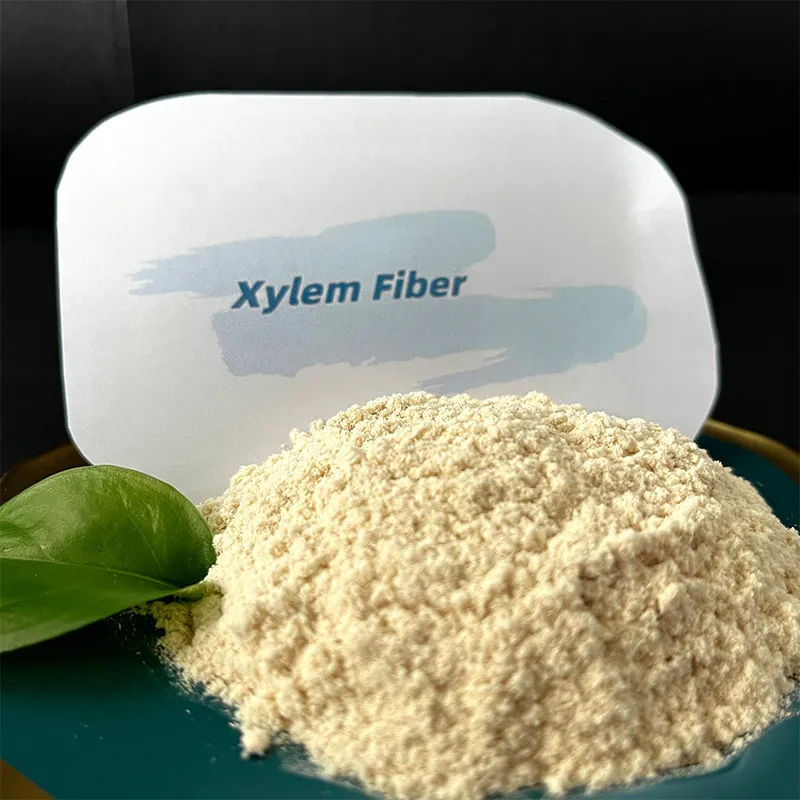 hps_company
Oct . 25, 2025
The Hydroxypropyl Methylcellulose (HPMC) market has witnessed remarkable growth over recent years, a -
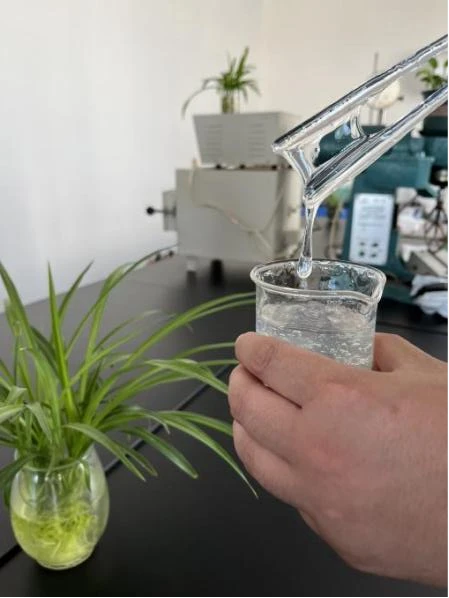 grades_of_hpmc
Oct . 25, 2025
Methylcellulose artificial tears have emerged as a significant innovation in the field of ophthalmol -
 hypromellose_hpmc
Oct . 25, 2025
Hydroxypropyl methylcellulose (HPMC) is widely recognized in the realm of product formulation, parti


